
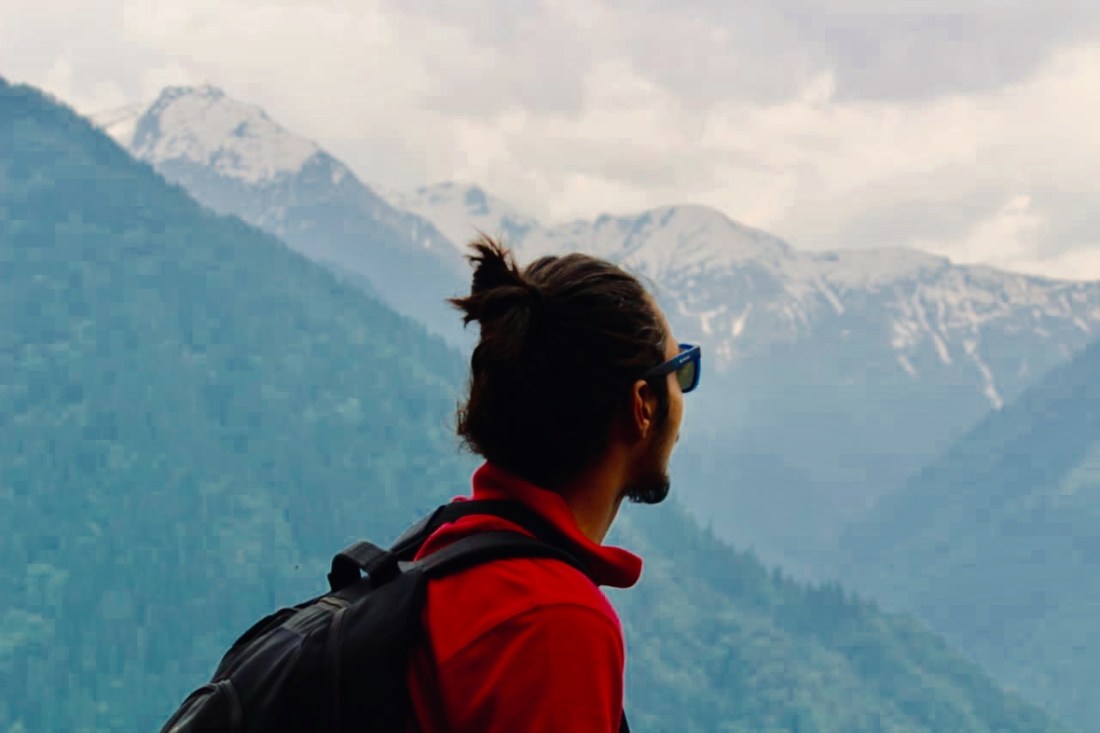

Is the temple where people come from all over the world. Here people come to pray center part of the lord shiva. The temple is situated at 13000feet above the sea level and its is located in Mansoona village of Gardwal Himalayas in Uttarakhand.
The middle (madhya) or belly part or navel (nabhi) of the bull, considered a divine form of Shiva, is worshipped at this temple, believed to be built by the Pandavas, the heroes of the Hindu epic Mahabharat.
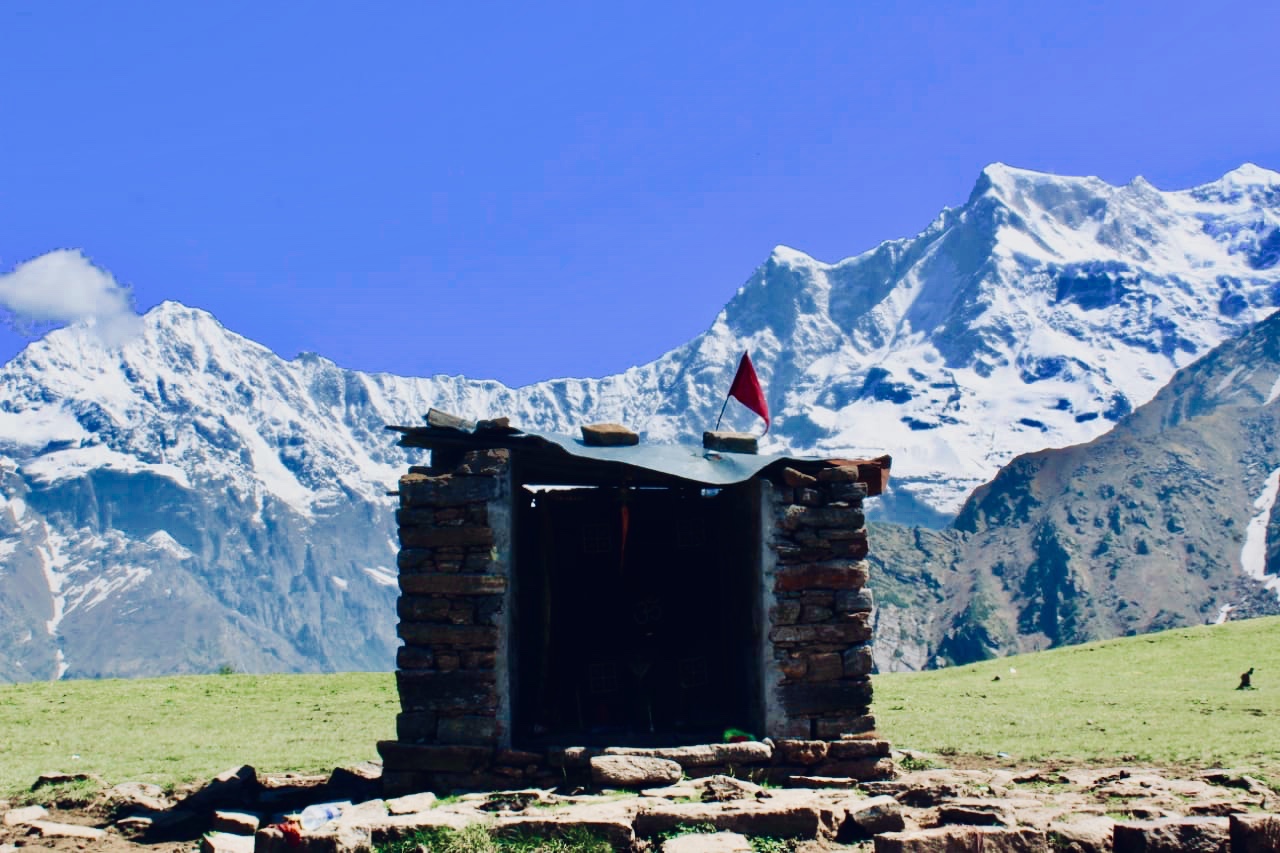
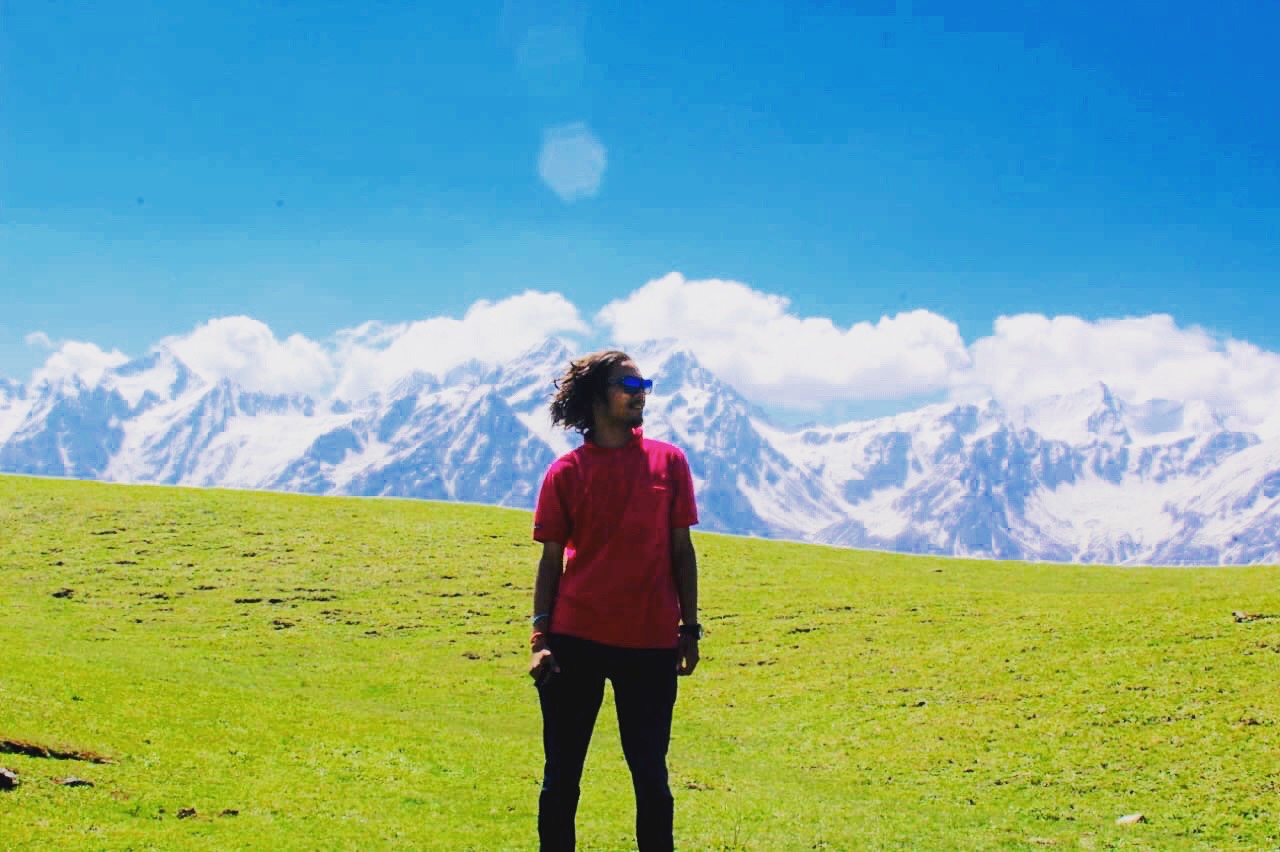
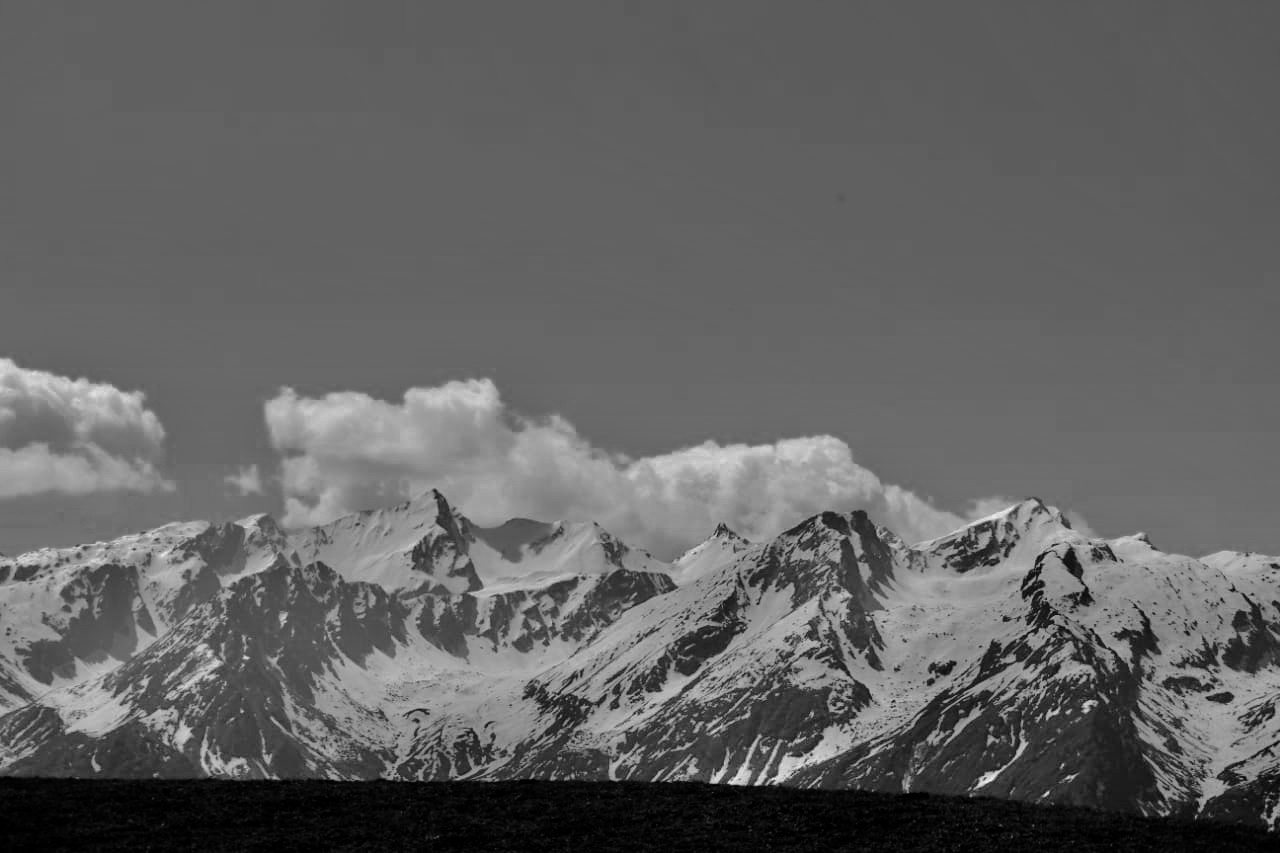
(virddh or Old) is located at a 2 km trekking distance from the Madmaheshwar temple and offers one of the best view of Chaukhambha Peaks. This temple is dedicated to Lord Shiva also known as Mahadev. The budha Madmaheshwar is located atop Madmaheshwar bhugyal a meandering meadow. This portable the hindu shrine is perched at an outstanding altitude of 14,000 feet above sea level. The devotees can savour enchanting views of Chaukhamba-Mandani peakes from head of temple.
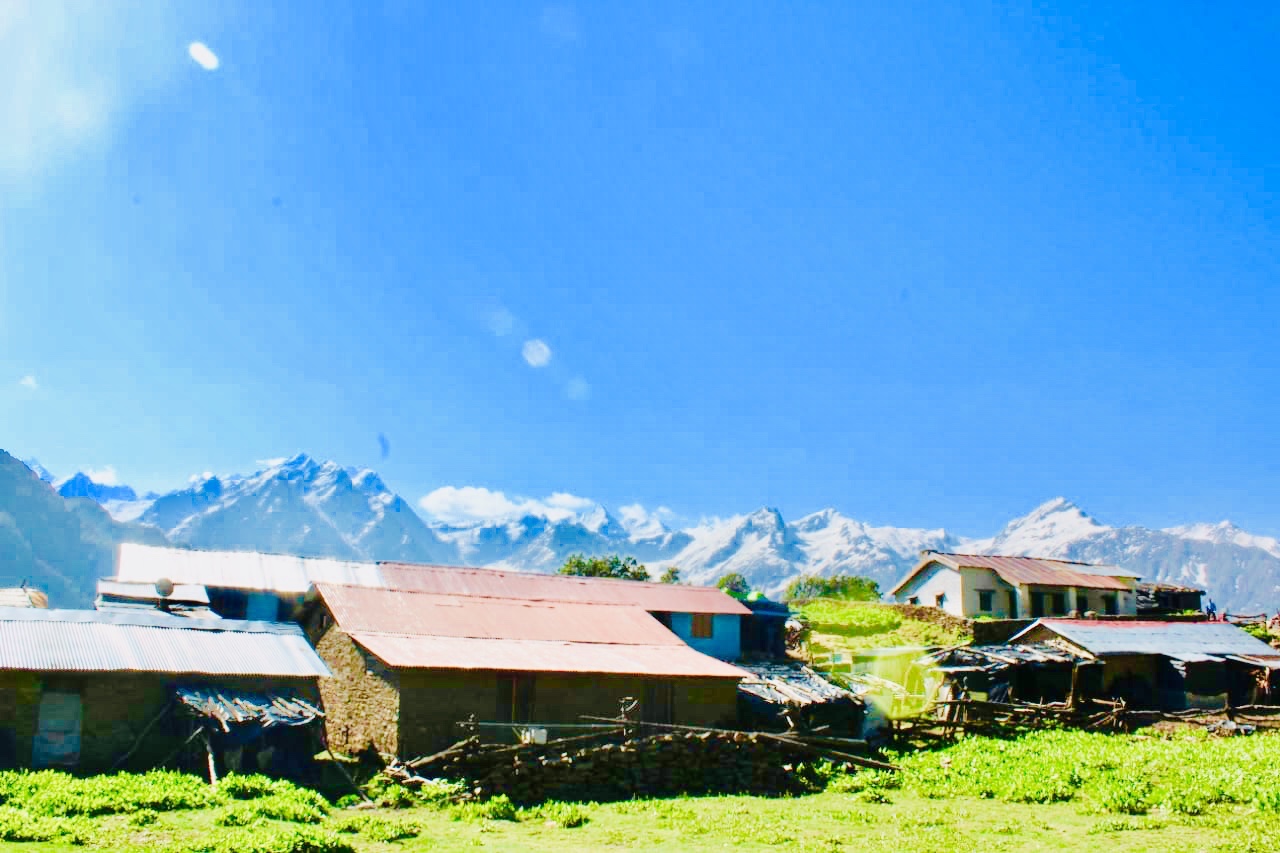
Summers and springs are the best time to camp here. One can enjoy a bonfire at night before or after the trekking. The area witnesses moderate weather throughout the year. The summers could get warmer but overall remain pleasant while winters can be cold. The recommended time to visit Madhyamaheshwar is between the months of May and October.
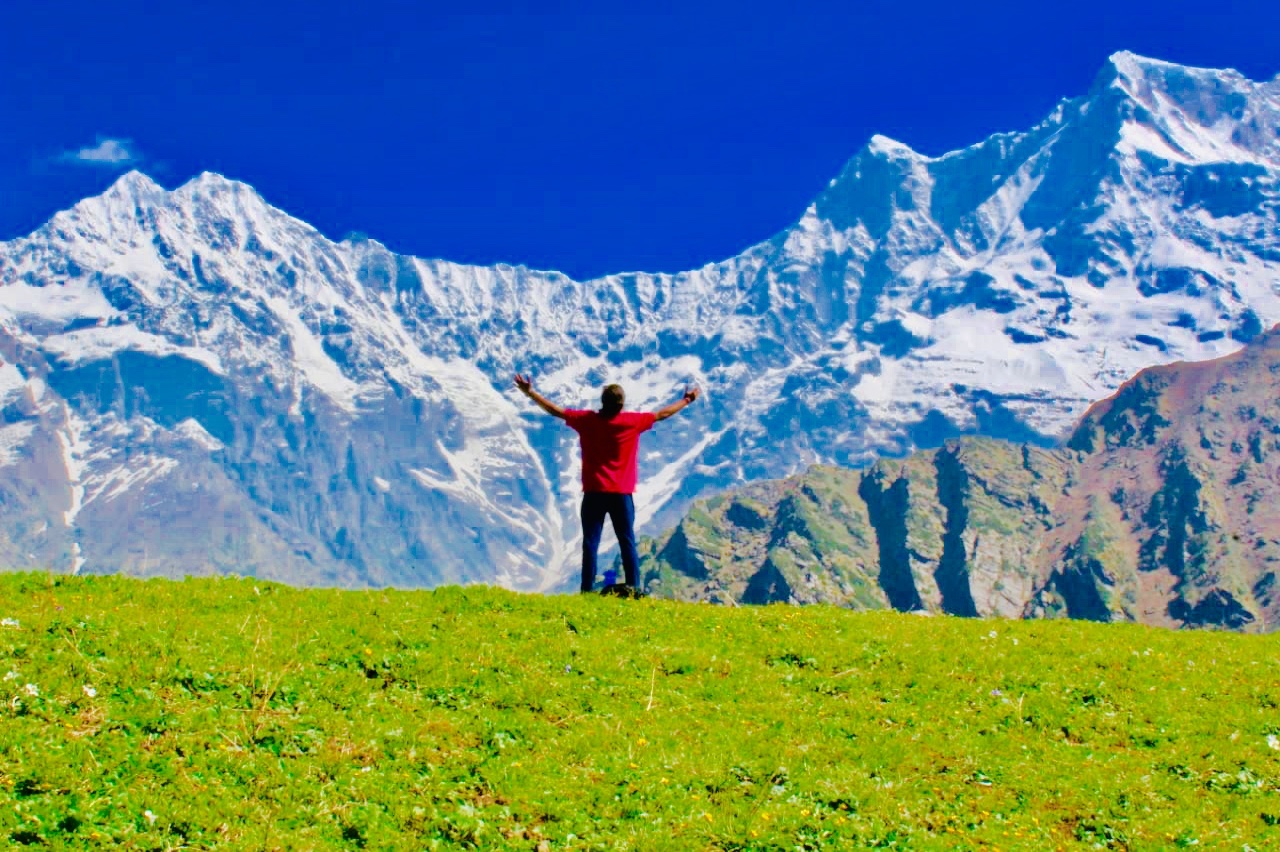
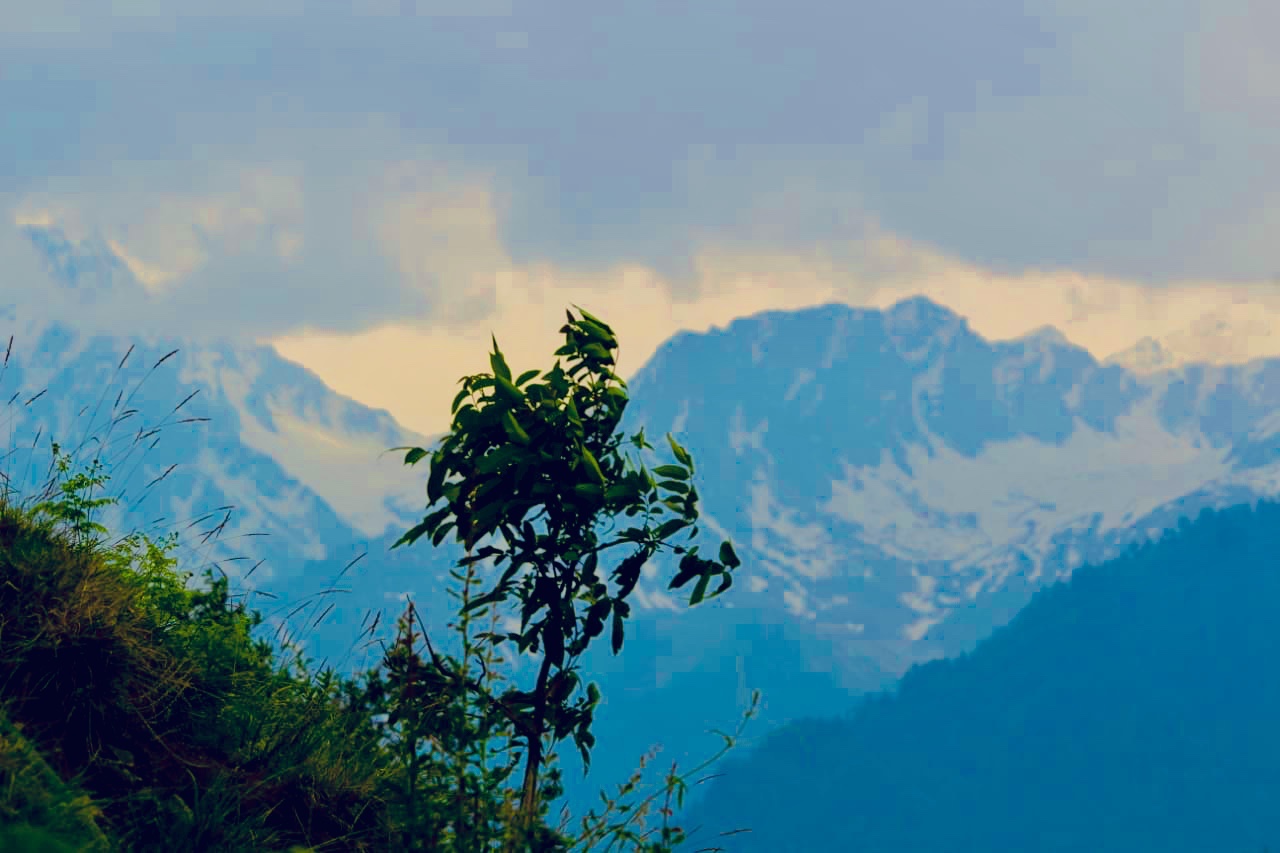
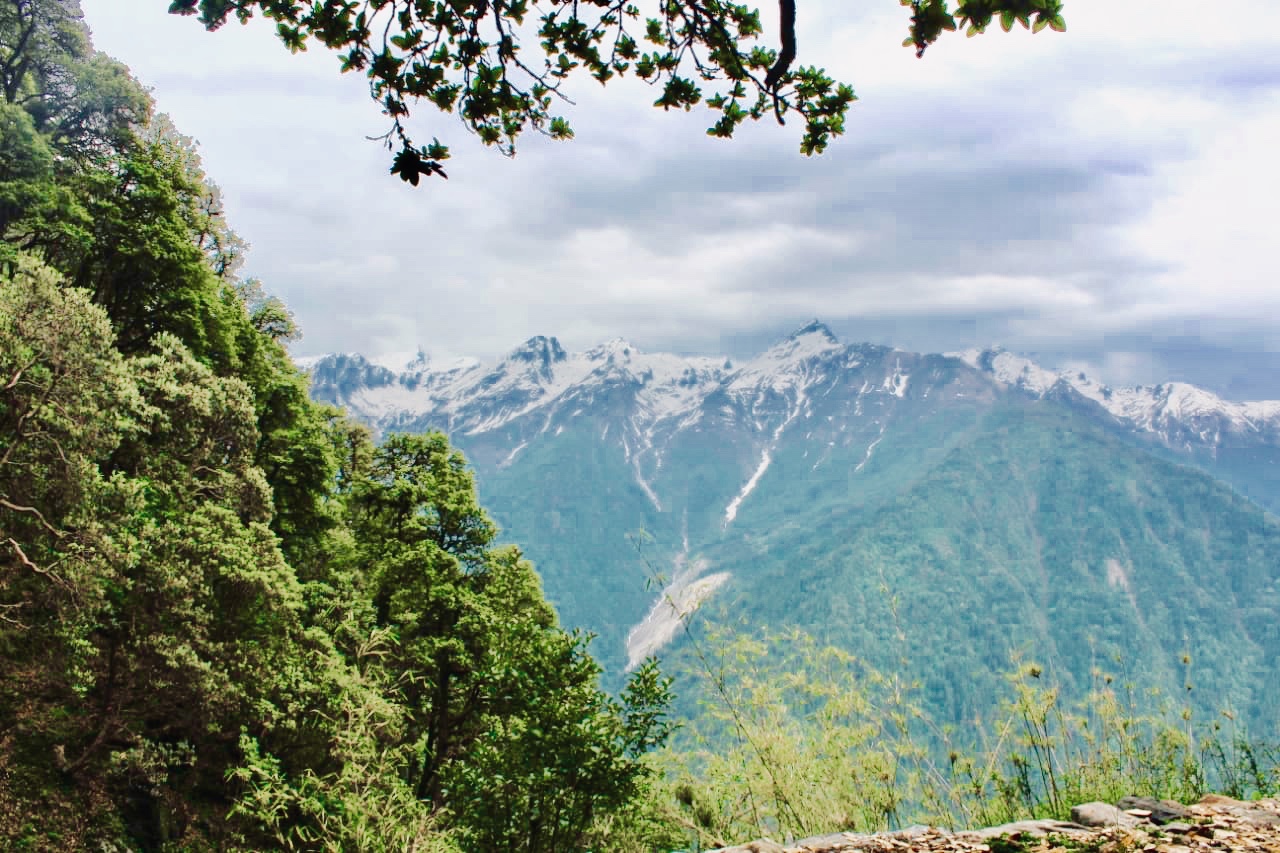
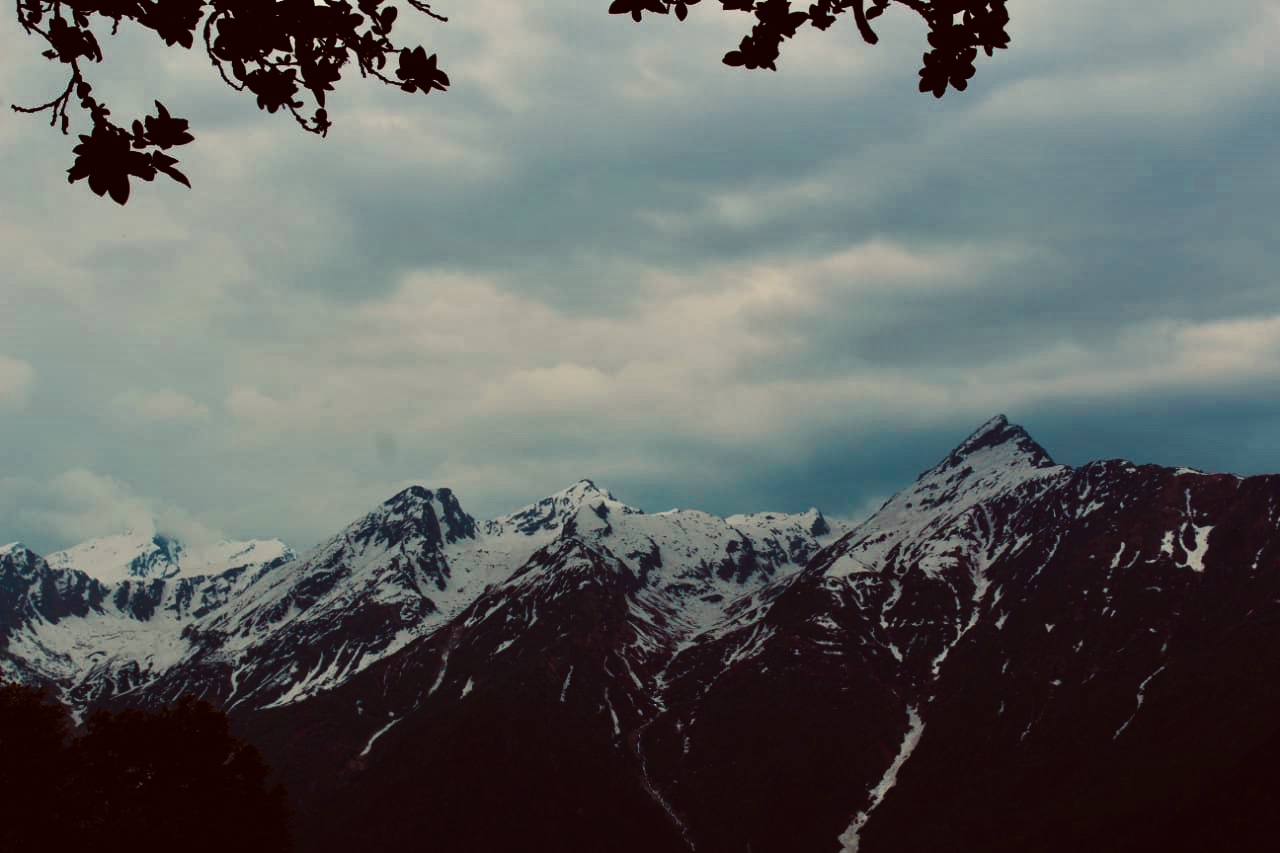
The trek starts from Uniana and goes on to Ransi, there is an ancient temple built of stones. From Uniana to Madhyameshwar the entire trek is covered with wild and natural scenic beauty in the beauty of Chaukhamba, Kedarnath and Neelkantha peaks along the route. You will find Monal bird and Lot More Thing out There. The total trek of Madmaheshwar Mahadev is 26km inculding Budha Madmaheshwar.
It is the fourth temple in order to visit all five Panch Kedar pilgrimage circuit, comprising five Lord Shiva temples in the Garhwal, Uttarakhand. The other temples in the group include: Kedarnath, Tungnath, and Rudranath to be visited before Madmaheshwar and the Kalpeshwar mahadev to be visited after Madmaheshwar. Devotees believe that Pandavas built this temple in the Mahabharata era.

 Explore Uttarakhand